ARABIC LANGUAGE · November 6, 2026 · Ayat Quranayh Team
Why learn Arabic alongside the Quran?
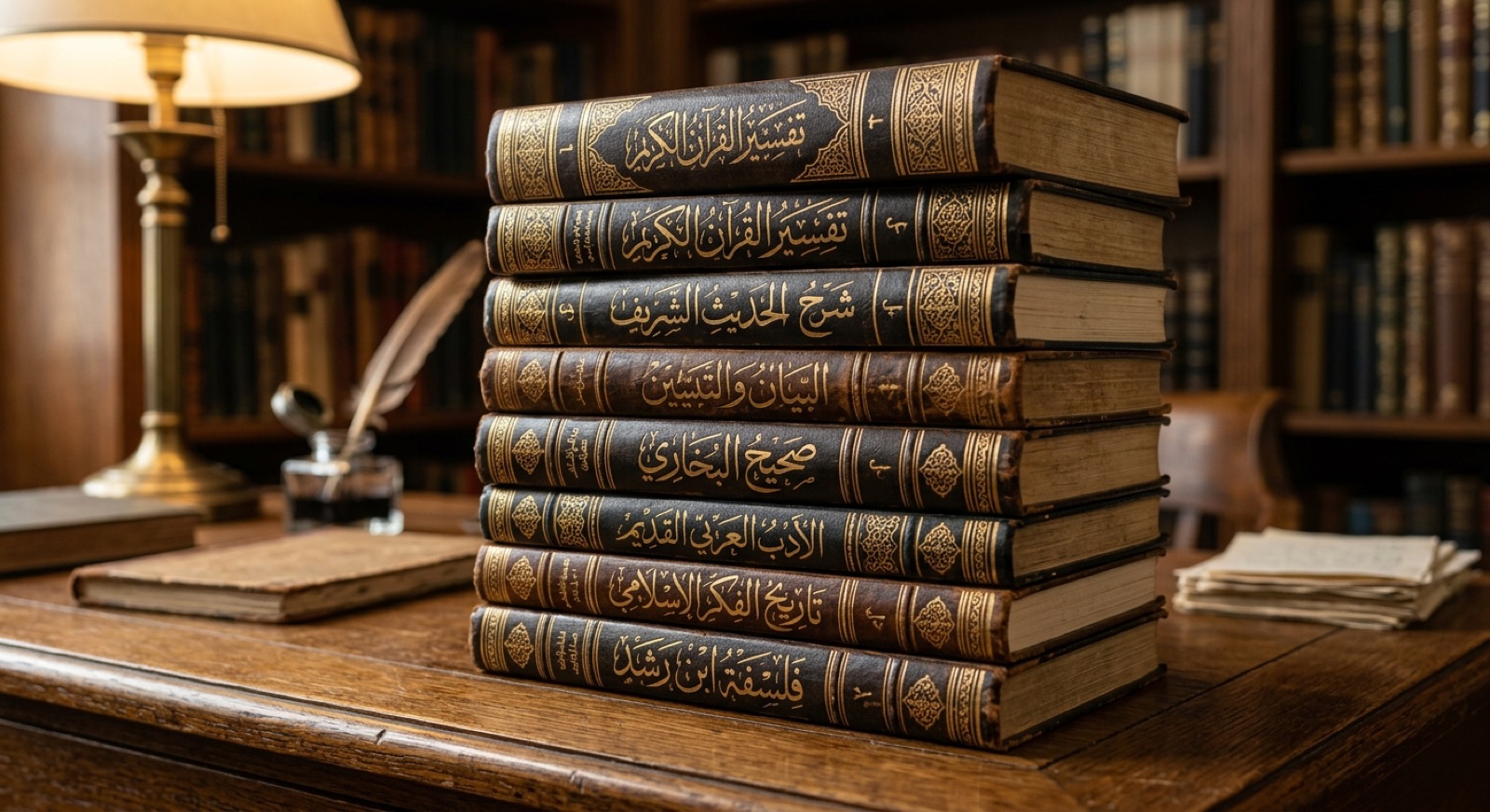
You can recite the Quran correctly without understanding every word, and many people do. But understanding even a little of the language changes how you pray and how you listen. A verse stops being a sound you have memorised and becomes a message you can feel.
Classical Arabic, Modern Standard Arabic and dialects
The Quran is in classical Arabic. Modern Standard Arabic (fusha), the language of books, news and formal speech, shares its grammar and much of its vocabulary. Spoken dialects such as Egyptian, Levantine or Gulf Arabic differ from it. For reading the Quran, Modern Standard Arabic is the best foundation. Dialect helps later, for conversation.
Start with the words you meet most
A fairly small set of very frequent words makes up a large share of the Quran's text. Learn those first. Pick a surah you already recite, learn five words from it each day, and keep a small notebook. Within weeks you will recognise words you used to pass over.
Begin with Al-Fatihah
You recite it in every prayer, so it is the best place to start. Learn the meaning of each phrase and notice how many words you already know once you step outside it.
إِنَّا أَنزَلْنَاهُ قُرْآنًا عَرَبِيًّا لَّعَلَّكُمْ تَعْقِلُونَ “Indeed, We have sent it down as an Arabic Quran that you might understand.” (Yusuf 12:2)
Inspired by this article?
Get customized feedback by scheduling a complimentary session with us.
Book complimentary session