TAJWEED TIPS · November 6, 2026 · Ayat Quranayh Team
Noon sakinah and tanween: the four rules at a glance
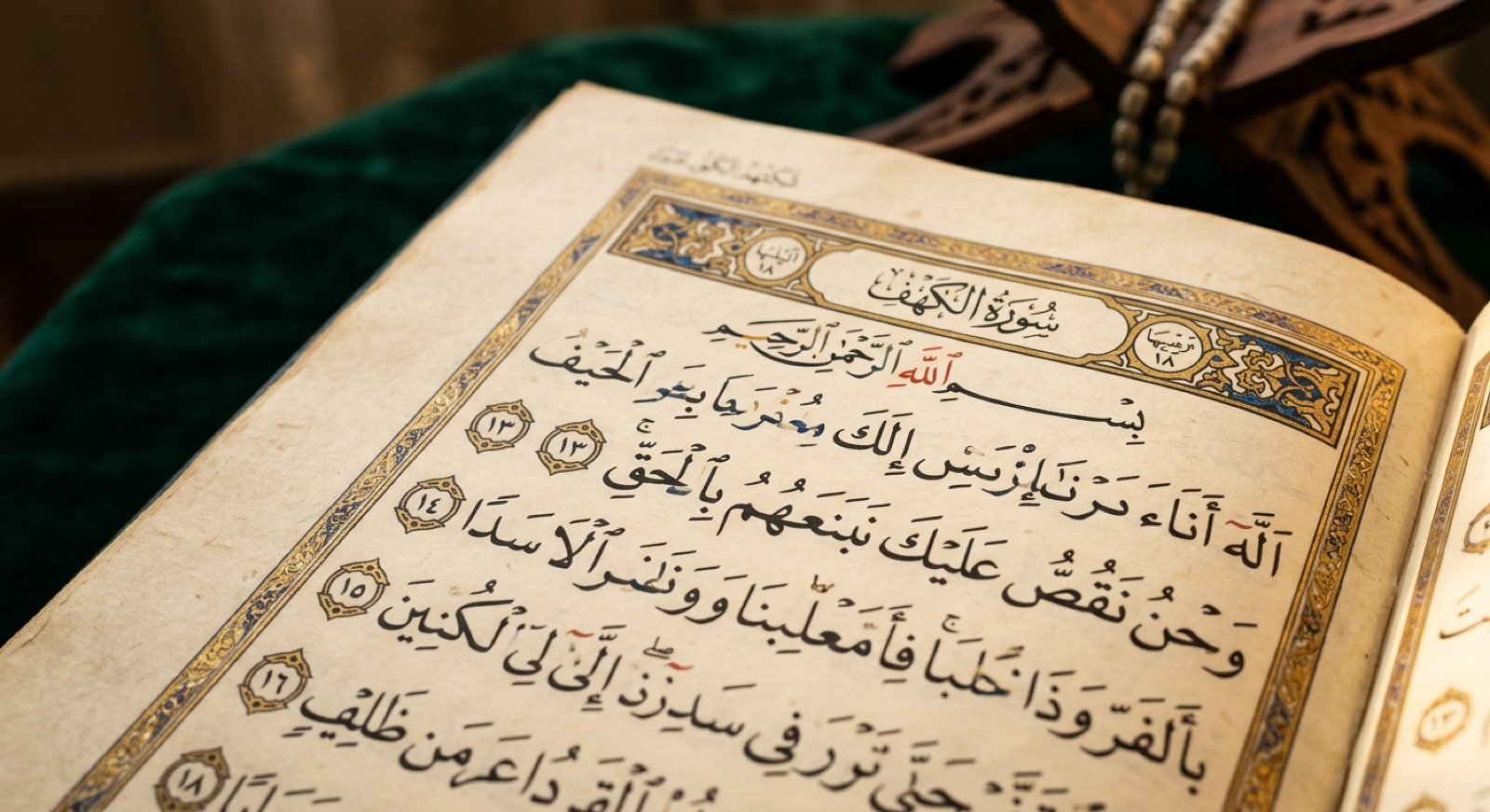
When a noon with a sukoon (نْ) or a tanween (ً ٌ ٍ) is followed by another letter, the way it is pronounced depends on that letter. There are four rules, and between them they cover all 28 letters.
1. Izhar: clear pronunciation
Before the six throat letters ء، ه، ع، ح، غ، خ, the noon is pronounced clearly, with no ghunnah. Examples: مِنْ هَادٍ and أَنْعَمْتَ.
2. Idgham: merging
Before the six letters ي، ر، م، ل، و، ن (gathered in the word يرملون), the noon merges into the next letter. With ي، ن، م، و the merge keeps a ghunnah, as in مَنْ يَقُولُ. With ل and ر it is without ghunnah, as in مِنْ رَبِّهِمْ. This applies when the noon and the next letter are in two different words. In a single word, such as دُنْيَا, the noon is read clearly.
3. Iqlab: turning
Before ب, the noon is turned into a hidden م with a ghunnah, while the lips are lightly closed. Example: مِنْ بَعْدِ.
4. Ikhfa: hiding
Before the remaining fifteen letters (ت، ث، ج، د، ذ، ز، س، ش، ص، ض، ط، ظ، ف، ق، ك), the noon is hidden. The tongue does not touch its usual place and a ghunnah is kept. Example: مِنْ قَبْلُ.
The ghunnah is held for about two counts. Reading these rules is not enough: listen to a teacher recite each example, then recite it back until the sound matches.
Inspired by this article?
Get customized feedback by scheduling a complimentary session with us.
Book complimentary session